When Krista and I moved to the Dominican Republic in 1995, we were fresh out of college and in our early twenties. We came to help build a Young Life camp. We certainly did not have a grand plan for what the next thirty years would look like.
But we did have belief.
Our faith has always been a big part of our story. We believed God had called us to the Dominican Republic. At the time, that calling meant helping build a camp. Over the years, though, we began to understand that the calling was much bigger than a single project.
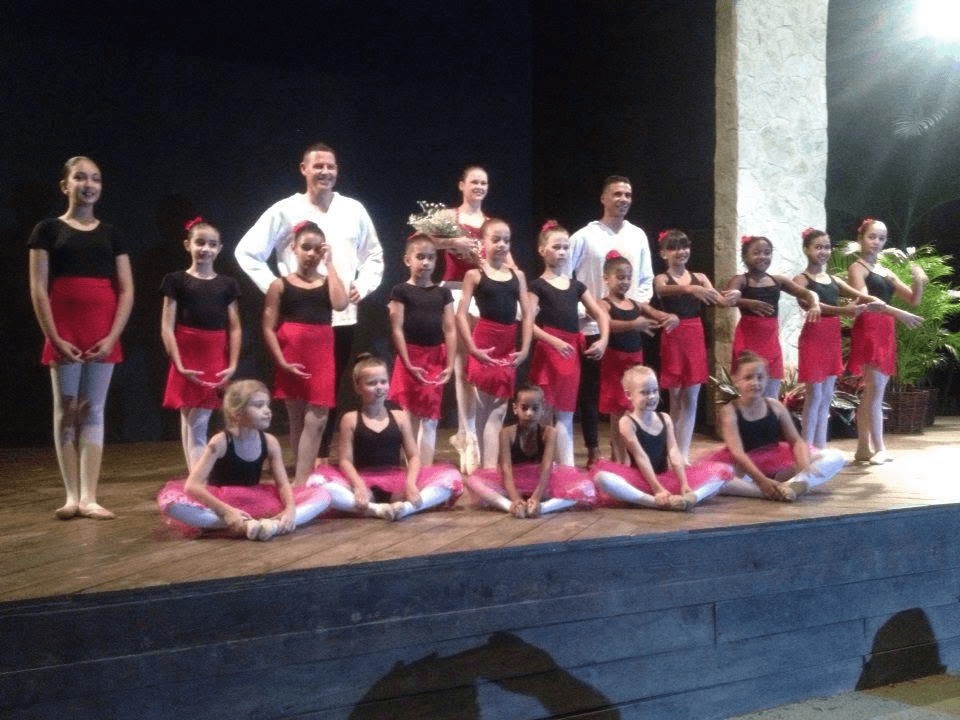
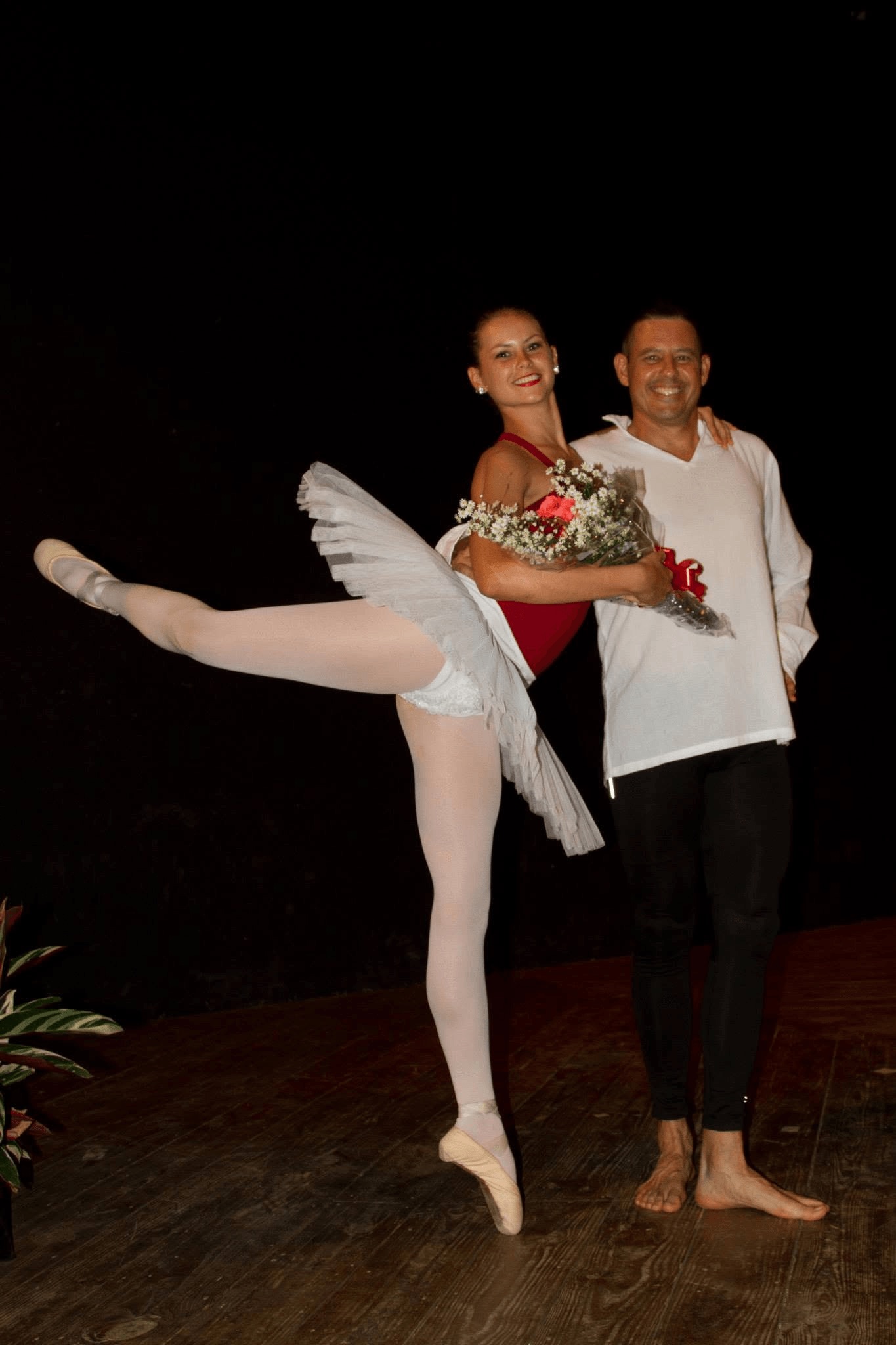
Jarabacoa, the city we started building Pico Escondido, the Young Life camp, became home. We raised our family there, and as we did, we began to notice what our community needed. There wasn’t a great school for our kids, so we founded the Doulos Discover School. Our oldest daughter wanted to play soccer, so we helped create a city soccer league. Our youngest daughter was passionate about dance, so we started a small Saturday morning dance program. At the age of fourteen, Kate started a small dance program herself, for all the younger little girls in town….with the same dream of becoming a ballerina. Now, after dancing professionally in NYC and Denver, Colorado, she is returning to Jarabacoa, with her husband and two kids, to begin a new dance school for the valley.
None of that came from a master plan. It came from living somewhere, loving it, paying attention, and continuing to ask a simple question: What does this place need, and what can we give?
Spirit Mountain is, in many ways, a new version of that same question.
Spirit Mountain is a farm first. That distinction matters. We did not buy a piece of land, design a residential development, and decide that a little coffee plantation would make a nice amenity. The coffee farm, the forest, the mountains, the trails, and the people who have cared for this land are the reasons we are here. The community is being created within a working coffee plantation, not the other way around.
That leads to a question we ask ourselves constantly: How do we invite people to live here without eventually erasing the very thing they came here to find?
That is why we are intentionally limiting development, protecting the vast majority of the property, and carefully controlling the scale and footprint of what can be built. Sometimes the most valuable part of a place is what isn’t there: the house that never gets built between you and the mountain, the forest that remains a forest, the trail that stays a trail.
There is a certain irony in being an architect and developer and realizing that some of the most important things I may ever design are the things I decide not to build.
But protecting the natural world is only half of the equation.
Human beings need community. We need places to gather, places to learn, places to worship, places to drink a really good cup of coffee, and places where our children can grow. We need roads and clean water and infrastructure. We need trails and shared experiences. We need opportunities to bump into one another and have conversations we hadn’t scheduled.
So when we talk about a school, a coffee shop, a small chapel, trails, or a boutique hotel where friends and family can stay, we are not simply assembling a list of amenities for a brochure. We are thinking about the pieces that allow a real human community to take root.
And importantly, we don’t envision those things belonging only to Spirit Mountain. If we help create a school, our hope is that it serves Manabao and the surrounding valley. If we build a great coffee shop, it should be a place where the broader community feels welcome. Our trails are already a way for people to come experience these mountains. Our responsibility, as we see it, extends beyond the boundaries of our property.
This is stewardship at the intersection of the human community and the natural world. We believe both can thrive together, but only if we are intentional about how we build and how we grow.
Spirit Mountain isn’t for everyone. And we’re comfortable saying that.
There are less expensive ways to buy a house in the mountains. There are developments where more homes can be placed on less land, and where the initial price may look more attractive on a spreadsheet. But if value is measured by more than the number of square meters you own – if it includes the land that will remain open, the community being created around you, the infrastructure being built carefully over time, and the things you are helping protect for the future – then we believe the equation begins to look very different.
In fact, the longer we work on Spirit Mountain, the more convinced we become that the depth of the value being created here will ultimately far outstrip the cost of participating in it.
Maybe that conviction comes back to where this story began: belief.
Lots of people work hard. Lots of people are smart. Sometimes people simply show up at the right moment and get lucky. We are grateful for all of those things when they happen. But looking back over our life in the Dominican Republic, Krista and I believe there has been something deeper at work.
We believe God called us here in 1995. We believe there has been purpose in the years since. And we believe there is a purpose for Spirit Mountain, for this farm, and for the community taking shape around it. That belief is ultimately what keeps us moving forward, even when we cannot see every step of the road ahead.
Now, as Krista and I return to the Dominican Republic full-time, we find ourselves asking the same question we were asking as a young family decades ago: What does this place need, and what can we give?
We have a few more gray hairs now. We have also learned that meaningful things usually take longer than you think they will. But we still believe in showing up, paying attention, and doing the next thing that needs to be done.
Spirit Mountain will never really be finished – and that’s the point.
We’re not chasing completion. We’re trying to be faithful in stewarding this place well enough that someday our kids, and hopefully their kids, will be grateful for what we built – and maybe even more grateful for what we chose not to.
You Dreamers,
Chad and Krista